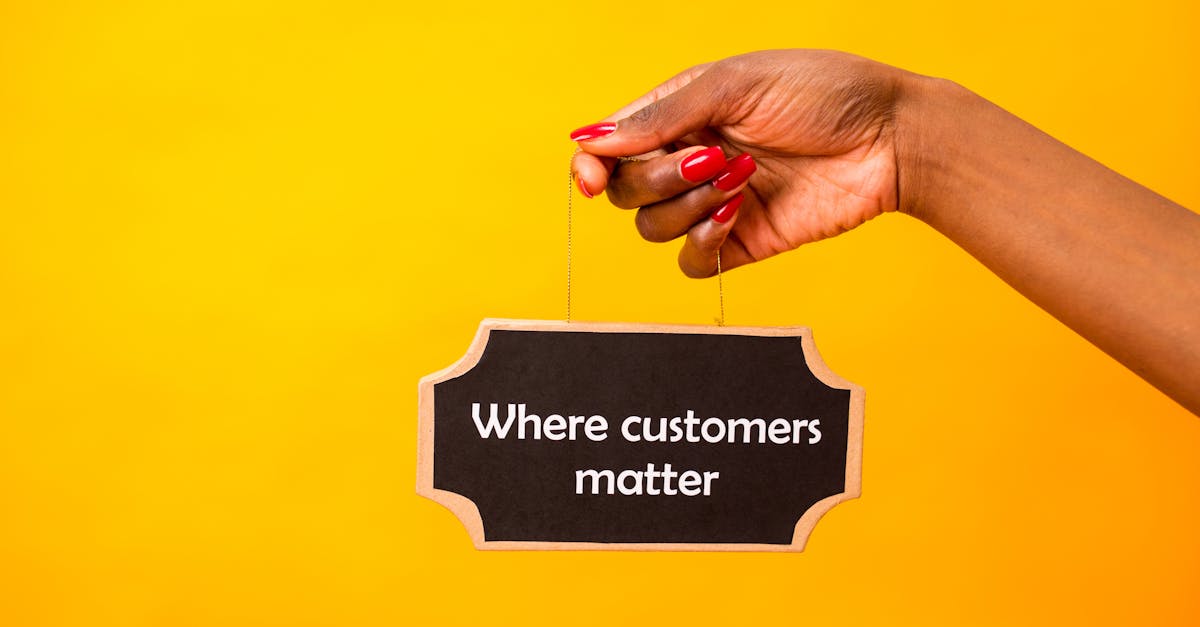
1. Introduction: Why Engagement is the New Currency
Think about your favorite local coffee shop. You keep going back not just because the caffeine hits the spot, but because the barista remembers your name, asks about your weekend, and knows exactly how much oat milk you like. That is engagement. In the vast, noisy landscape of digital marketing, brands often treat customers like a set of metrics or conversion percentages. But here is the reality: your customers are human beings seeking connection. Improving customer engagement is no longer a luxury; it is the lifeblood of a sustainable business. If you are not actively engaging your audience, you are merely background noise. Let us dive into how you can stop shouting into the void and start building meaningful relationships.
2. Understanding Customer Engagement in the Digital Age
What does it actually mean to be engaged? It is not just about clicking an ad or opening an email. True engagement is an emotional investment. It is the moment a customer decides they would rather choose your brand over a competitor, even if your price is slightly higher. Think of engagement as a bridge; on one side is the customer’s need, and on the other is your solution. If the bridge is sturdy, the traffic flows smoothly. If it is weak, they will find another path. Engagement is built through consistent, relevant, and value driven interactions that make the customer feel heard and appreciated.
3. Leveraging Data to Drive Better Interactions
You cannot improve what you do not measure. However, do not get lost in a sea of vanity metrics like page views. You need to look for behavioral data. Are people dropping off at the checkout page? Are they reading your blog posts all the way to the end? By using heat mapping tools, customer relationship management software, and simple analytics, you can paint a picture of the customer journey. Think of data as your compass. It tells you where your audience is struggling and where they are finding joy. When you use this information, you stop guessing and start anticipating their needs before they even voice them.
4. The Power of Radical Personalization
Generic marketing is dead. Sending the same newsletter to your entire list is like sending a postcard to a stranger; it is easily discarded. Radical personalization is about relevance. It is the difference between showing a customer a random list of products and showing them an item that complements exactly what they bought last week.
4.1 Going Beyond First Names
Inserting a first name in a subject line is basic. That is not engagement; that is a template. Real personalization happens when you understand the context of the interaction. If a customer is a repeat buyer of running shoes, they do not need an email about winter boots. They need tips on marathon training or socks that prevent blisters. Show them you know who they are, not just what they are called.
4.2 Setting Up Behavioral Triggers
Behavioral triggers are the secret weapon of high performing teams. When a user abandons their cart, a gentle reminder email is helpful. When they visit your pricing page three times in one day, a chat window offering a discount code is even better. These moments show that you are paying attention to their behavior in real time, making the digital experience feel incredibly human.
5. Building a Seamless Omnichannel Strategy
Customers do not care about your internal organizational silos. They do not care if your social media team and your email team operate on different software. They expect to have a consistent experience whether they are on your mobile app, visiting your physical storefront, or browsing your website. An omnichannel strategy ensures that the conversation never restarts. If a customer chats with you on Twitter, your support team should have that history when they call you later. It is about creating a thread that weaves through every touchpoint.
6. Mastering Social Media Engagement
Social media is not a megaphone for your press releases. It is a telephone. If you only talk about yourself, you are going to lose the audience. You need to create an environment where the audience feels invited to share their thoughts.
6.1 Community Building Over Broadcasting
Create groups or hashtags where your fans can talk to each other. When your brand facilitates connections between customers, you become the hub of a community rather than just a vendor. People stay for the people, not just the products.
6.2 The Magic of User Generated Content
User generated content is the ultimate social proof. When a real person posts a photo of themselves using your product, it carries ten times the weight of a professional studio ad. Encourage your users to share their experiences. Acknowledge them, feature them, and celebrate them. It shows that you value your customers as much as your product.
7. Content Marketing that Starts Conversations
Content should provide value, not just capture keywords. If your blog posts are just stuffed with filler words, your audience will bounce immediately.
7.1 Providing Real Educational Value
Teach your customers something. Whether it is a how to guide, an industry white paper, or a video tutorial, give them something that makes their life easier or their knowledge base deeper. When you provide utility, you earn trust.
7.2 Utilizing Emotional Storytelling Techniques
People relate to stories. They do not relate to features. Tell the story of why your company exists. Share the challenges your customers have overcome using your tools. An emotional connection creates loyalty that lasts far beyond a single transaction cycle.
8. The Rise of Interactive Marketing Tactics
Passive content is easily ignored. Interactive content forces engagement. By inviting the user to participate, you turn a spectator into an active player in your brand journey.
8.1 Using Quizzes and Polls to Listen
Quizzes are fantastic for engagement because they provide a personalized outcome for the user. A “Which product is right for me?” quiz does two things: it helps the user choose, and it gives you invaluable data about their preferences. Use that information to tailor your follow up marketing.
9. Gamifying Your Loyalty Programs
Traditional punch cards are boring. Gamification adds a layer of fun to the experience. Give your customers points for non transactional actions, such as writing a review, referring a friend, or engaging with a post. This encourages them to integrate your brand into their daily routine, making engagement habitual.
10. Transforming Feedback into Action
The most important part of feedback is what you do after you receive it. If you survey your customers and then ignore their suggestions, you are actually harming your engagement. When a user gives you feedback, let them know you heard them. Even if you cannot implement their suggestion, explaining why builds respect. When you do implement a change based on user input, shout it from the rooftops. That proves you are listening.
11. Conclusion: Sustaining the Connection
Improving customer engagement is a journey, not a destination. It requires constant iteration, a genuine desire to serve, and the courage to treat your customers like real people. By shifting your focus from “how do I get them to buy” to “how do I make their day better,” you will naturally increase your engagement levels. Remember, technology is just the tool; the heart of your strategy should always be the human connection. Start small, be authentic, and keep the conversation going.
12. Frequently Asked Questions
Q: How often should I reach out to my audience to maintain engagement without being annoying?
A: Focus on quality over frequency. If you provide genuine value, your audience will want to hear from you. Aim for consistency rather than volume, and always give them an easy way to manage their preferences.
Q: Is social media the best channel for engagement?
A: It is a great channel, but not the only one. The best channel is the one where your specific audience spends their time. Whether that is email, specialized forums, or live chat, meet them where they already are.
Q: How do I handle negative feedback in a way that improves engagement?
A: Respond quickly, calmly, and empathetically. Addressing a complaint publicly and finding a solution can actually increase trust and engagement because it shows other customers how much you care about satisfaction.
Q: Can small businesses compete with large corporations in customer engagement?
A: Actually, small businesses often have the advantage. You can offer a level of personal touch and agility that large corporations struggle to scale. Use your size as a strength to build intimate, community based relationships.
Q: What is the most common mistake brands make with engagement?
A: Treating engagement as a one way street. Many brands talk at their audience rather than with them. To improve, you must actively encourage two way communication and demonstrate that you are listening to the response.